Meet π0.7: The Cutting-Edge Robotics Brain Capable of Tackling Unfamiliar Tasks
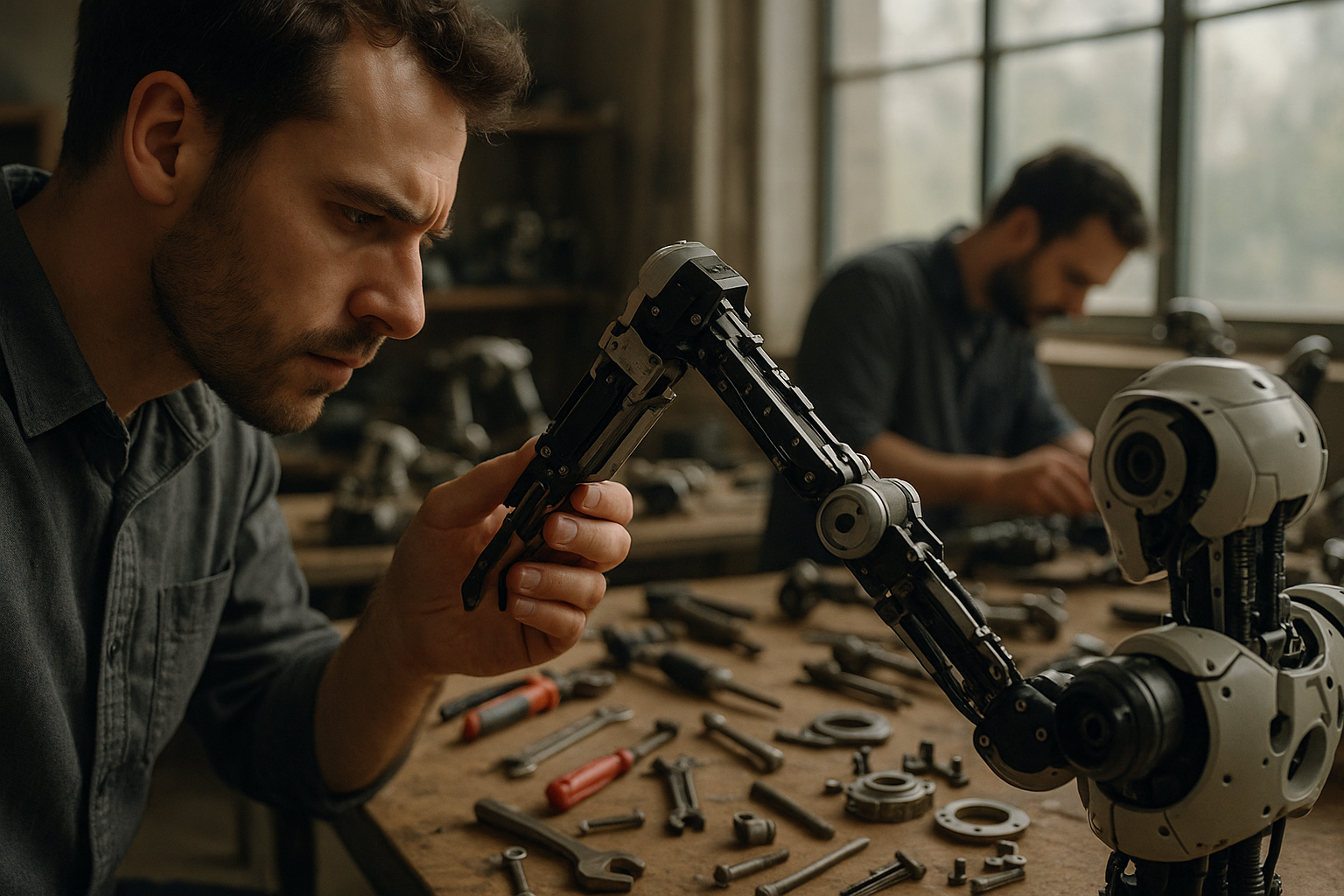
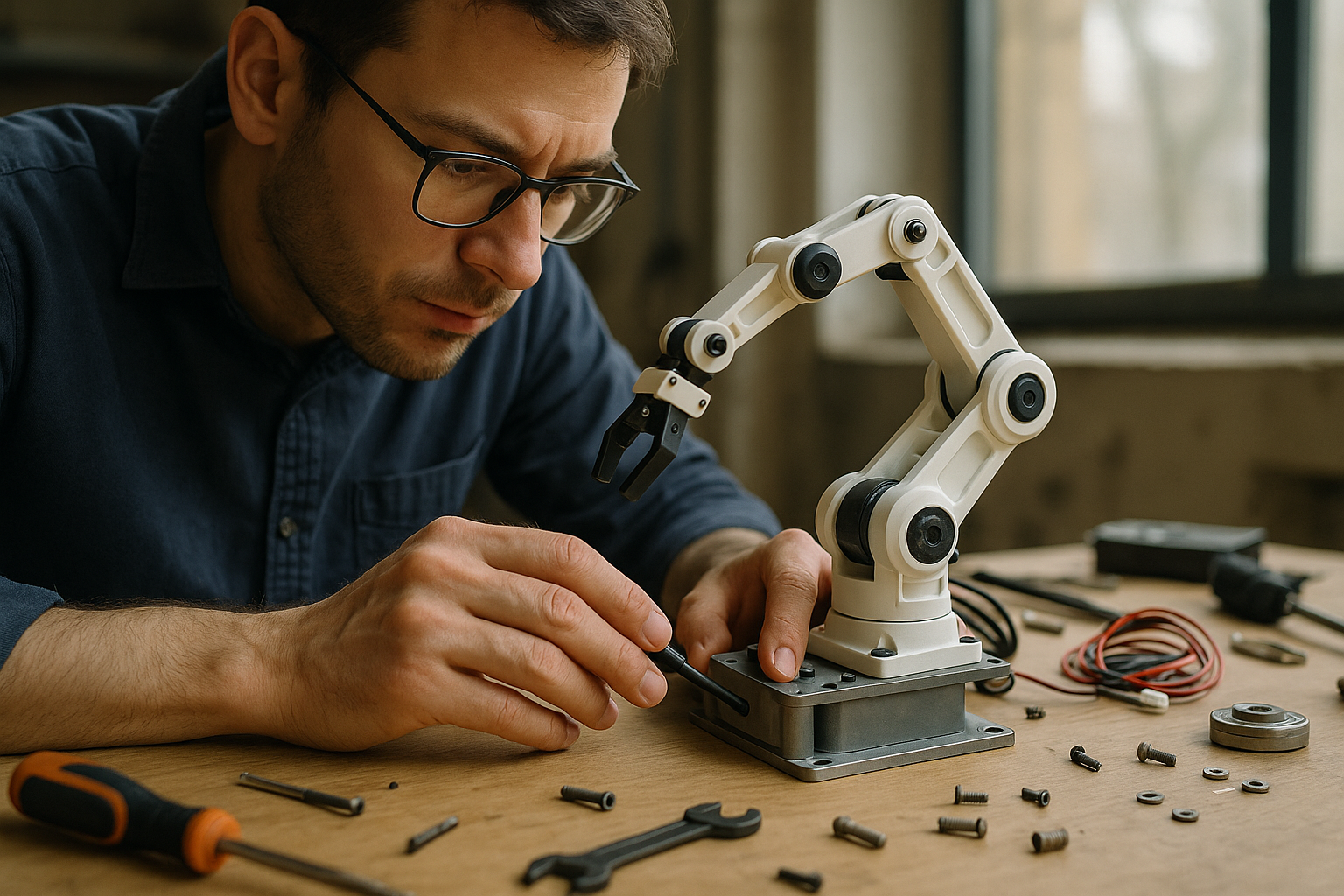
A major leap in artificial intelligence for robotics is emerging with the π0.7 robotics brain, positioned as a step toward next-gen robots that can handle unfamiliar tasks without being explicitly trained for every scenario. For an industry still bottlenecked by brittle programming and long integration cycles, this kind of adaptive robot technology could redefine what “general-purpose” smart machines look like.
Why it matters: today’s industrial robots excel in repeatable automation, but struggle when parts vary, tools change, or environments shift. A more flexible robot technology stack—where AI-driven robots can infer intent, plan actions, and recover from errors—promises intelligent automation that scales beyond fixed lines into mixed, high-mix production.
Industrial robots: faster changeovers, fewer fixtures, and smarter automation solutions for packaging, kitting, and assembly.
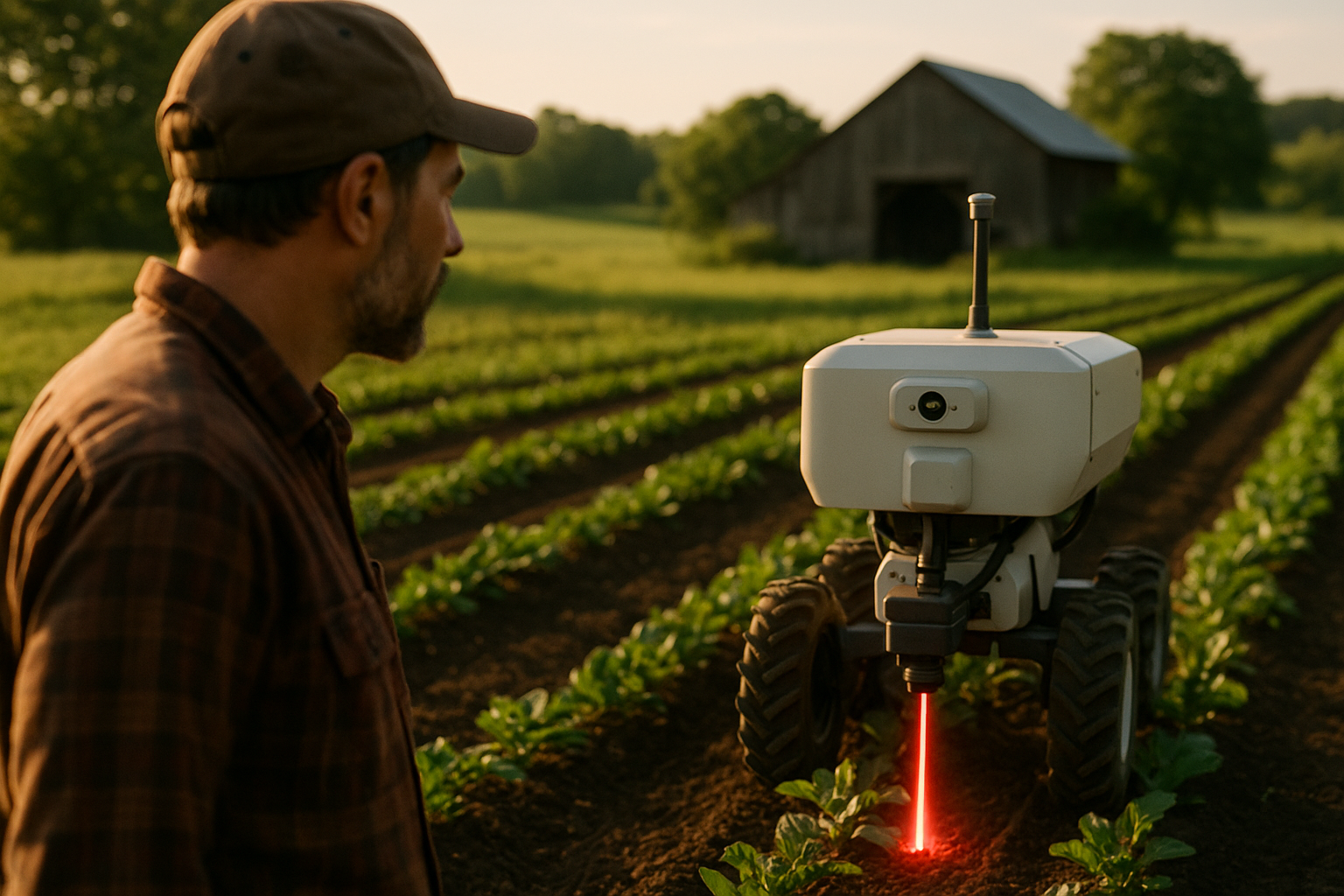
Service robots: improved autonomy for logistics, retail backrooms, and facility operations where conditions constantly change.
Business implications include reduced deployment costs, broader ROI, and a new competitive edge for integrators building advanced robotics. If robotics research continues to translate into reliable robotics breakthroughs, π0.7 could accelerate the future of robotics—moving from scripted automation to true robotics innovation.